The Jagers’ hiking of the Indiana Dunes continues with trail #2 of the 1966 Hiking Challenge at the Chellberg Farm and Bailly Homestead. This national landmark is known for the historic settlement that led to the development of Northwest Indiana that was originally home to the Potawatomi, Ottawa, Miami and Wea tribes until the first settlers arrived in 1822. Joseph Bailly chose this site to establish a fur trading post on the Little Calumet River because it was near two major Indian trails on the Mnoké Prairie: the Lake Shore Trail connecting Fort Dearborn (Chicago) to Detroit and the Sauk Trail extending from New England to the Missouri River. Indigenous peoples have a rich history in the sand dunes and swamp lands where they hunted, foraged for medicinal purposes, and held ceremonies.

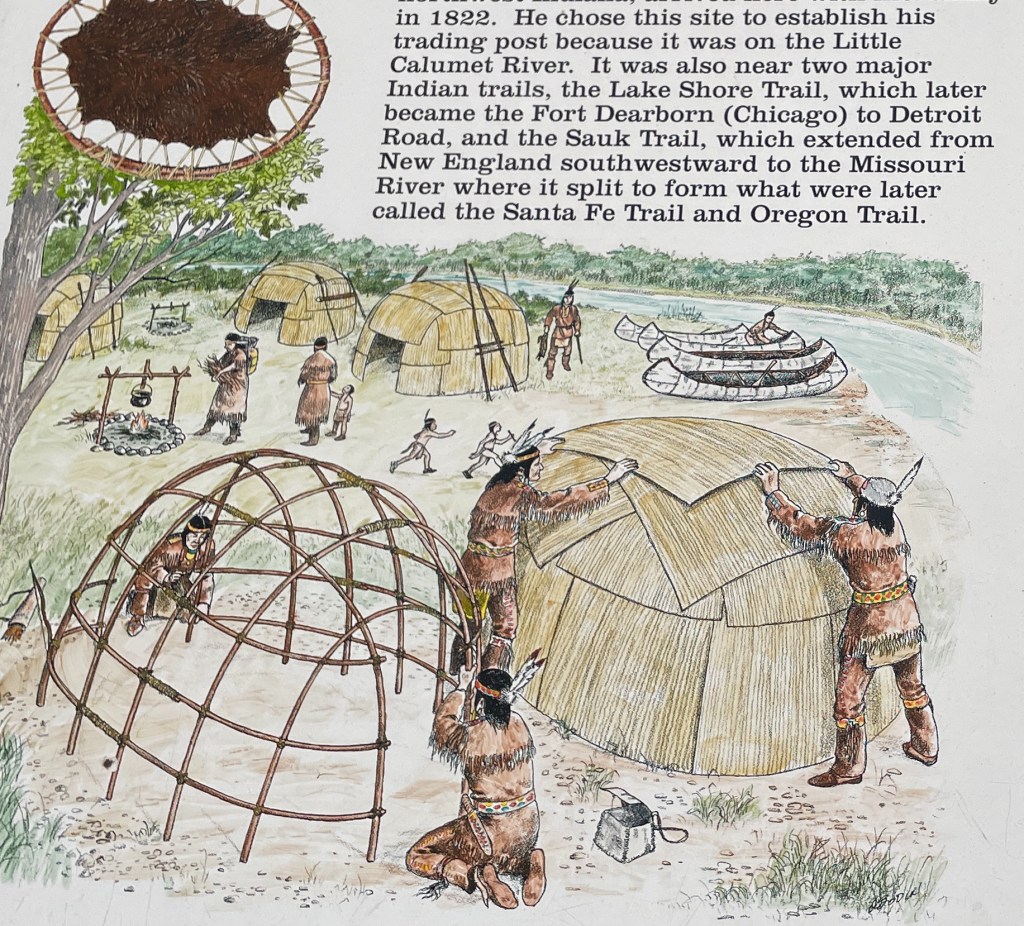
The European settlers had positive relations with the Indigenous peoples at first, benefitting from their established trails and trading. However, over time the land yielded to more villages and was converted for farming and logging until ultimately Congress passed the Indian Removal Act of 1830 and the tribes were forcibly removed from their ancestral homelands. The Potawatomi tribe resisted as long as possible until the 1838 Potawatomi Trail of Death. By 1846, the surviving members of the Pokagon Band of Potawatomi moved north into Michigan and approximately 150 individual families of Miami Indians were allowed to remain living on the land. While this history is painful to read, acknowledging the past treatment of these peoples is just a small way to show respect. In the fall of 2023, the Indiana Dunes Tourism and National Park Service began phase one of the development of the Indigenous Cultural Trail by partnering with the Pokagon Band of Potawatomi and the Miami of Oklahoma tribes to honor the generations of Indigenous peoples who lived in the Indiana Dunes. (Indiana Dunes NPS History, 1979)

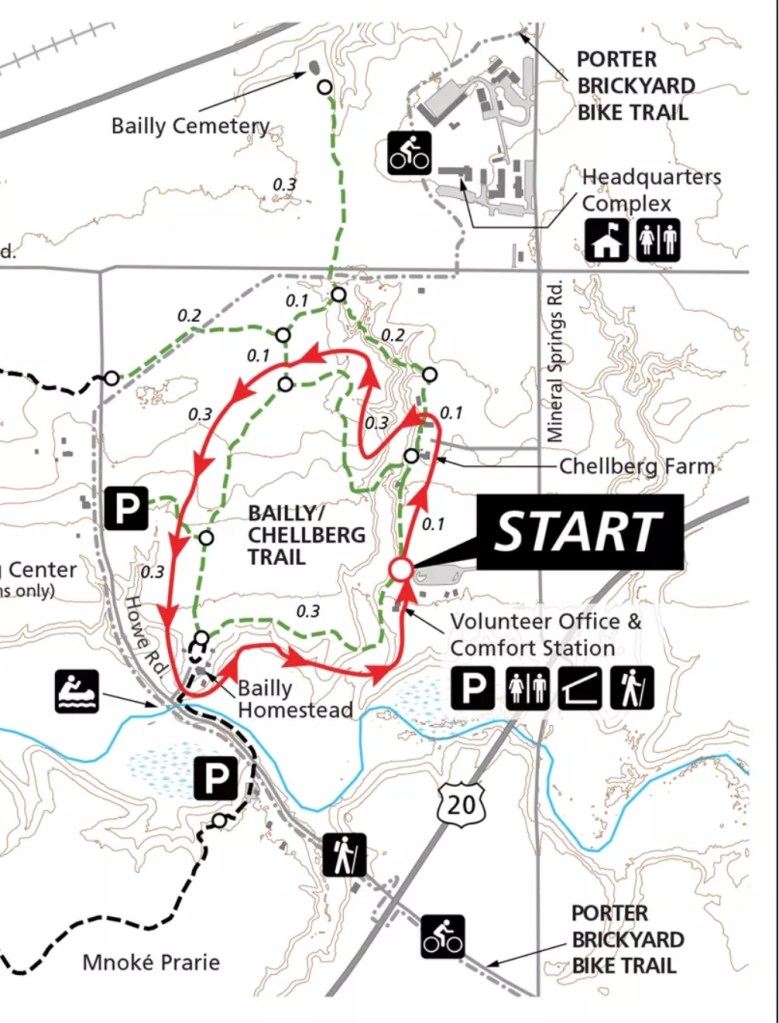
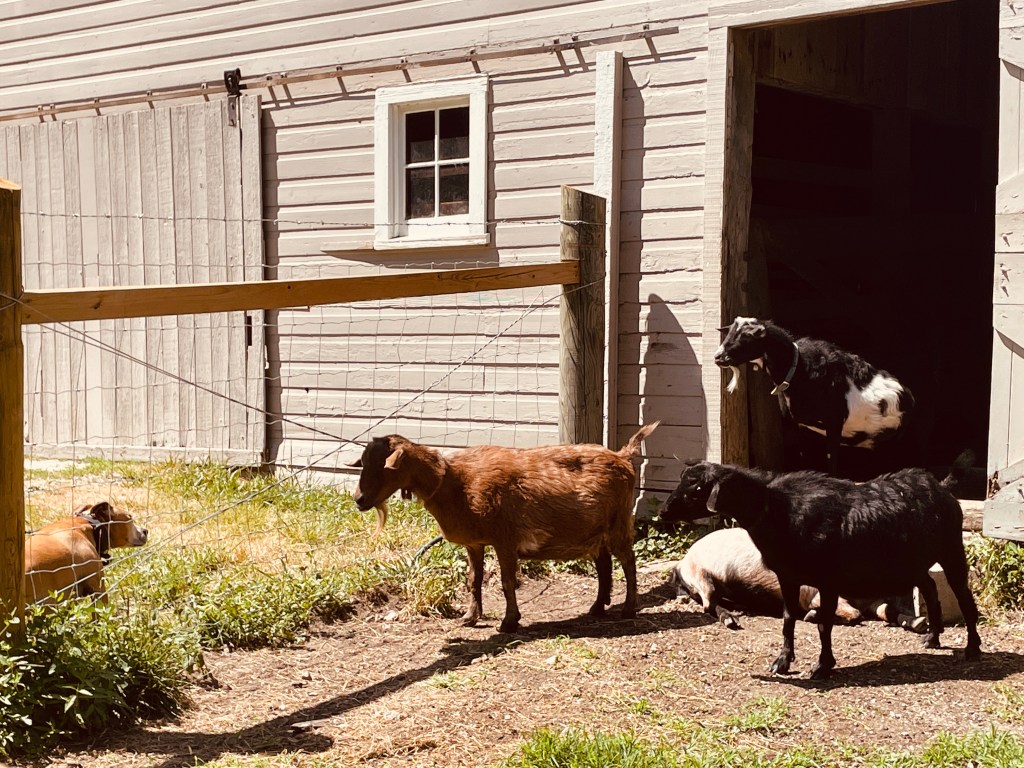
The Indiana Dunes National Park marked the inner loop of the Bailly-Chellberg trail system for their 1966 Hiking Challenge. The trail has a wide path surrounded by maple, beech, basswood and oak trees that leads to the Chellberg Farm where Swedish immigrants, Anders and Johanna “Kjellberg,” bought 80 acres in the 1870’s to establish a modest family farm. The National Park Service has maintained the farmstead with chickens, goats, cows, and a small garden. They also host the annual Maple Sugar Time festival in March where the evolution of “maple sugaring” is demonstrated from early American Indian methods to how pioneers boiled sap in iron kettles and the relatively modern method of producing syrup as the descendants of the Chellberg Family did in the 1930’s.


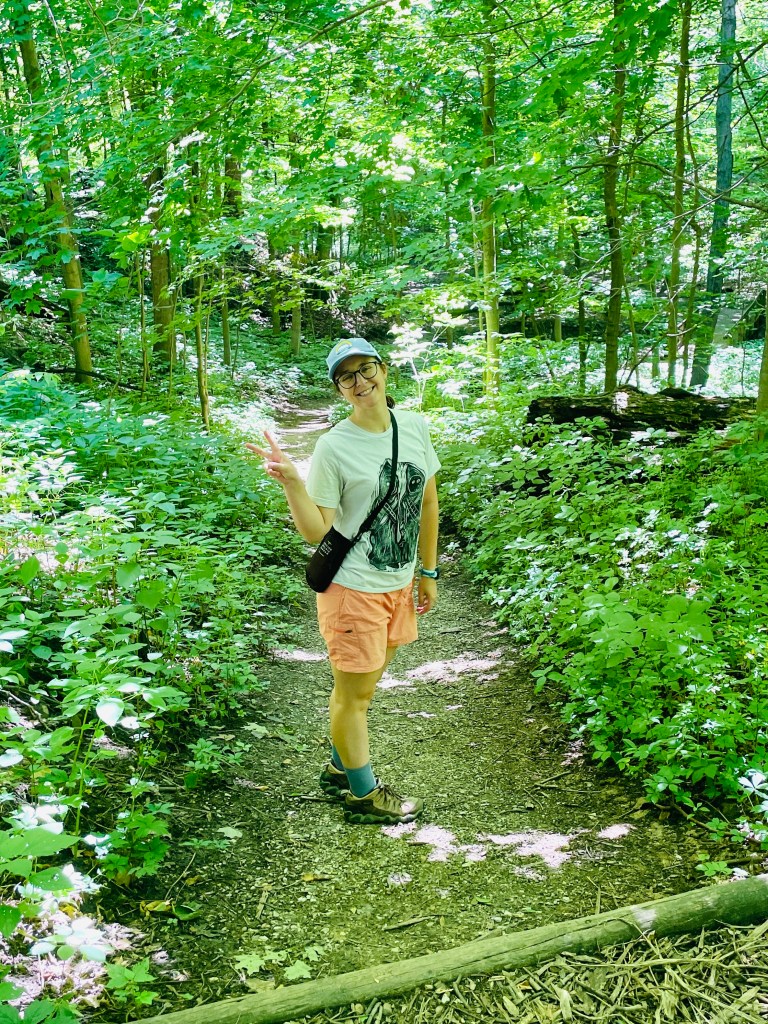
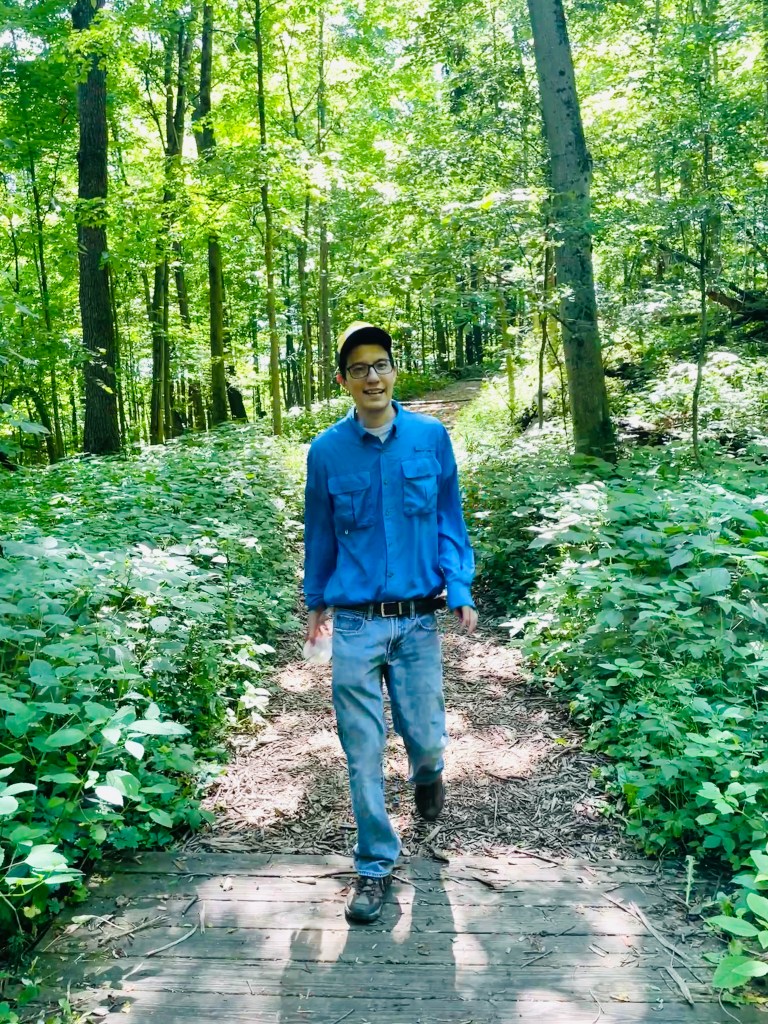
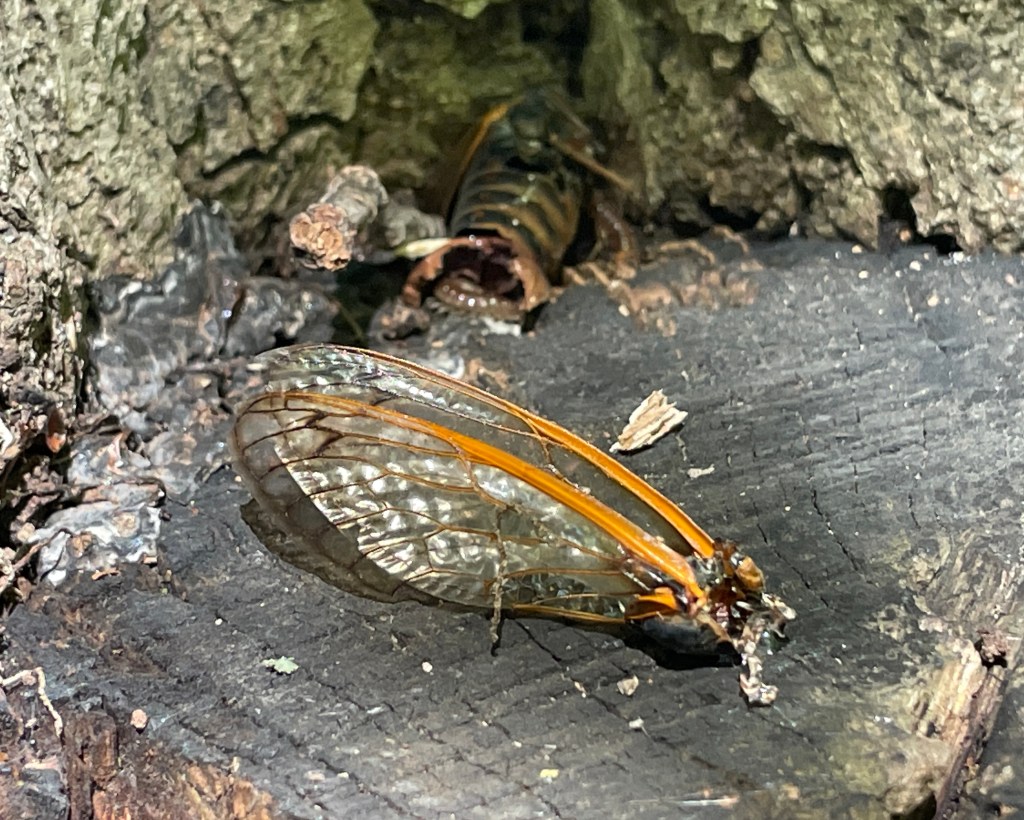
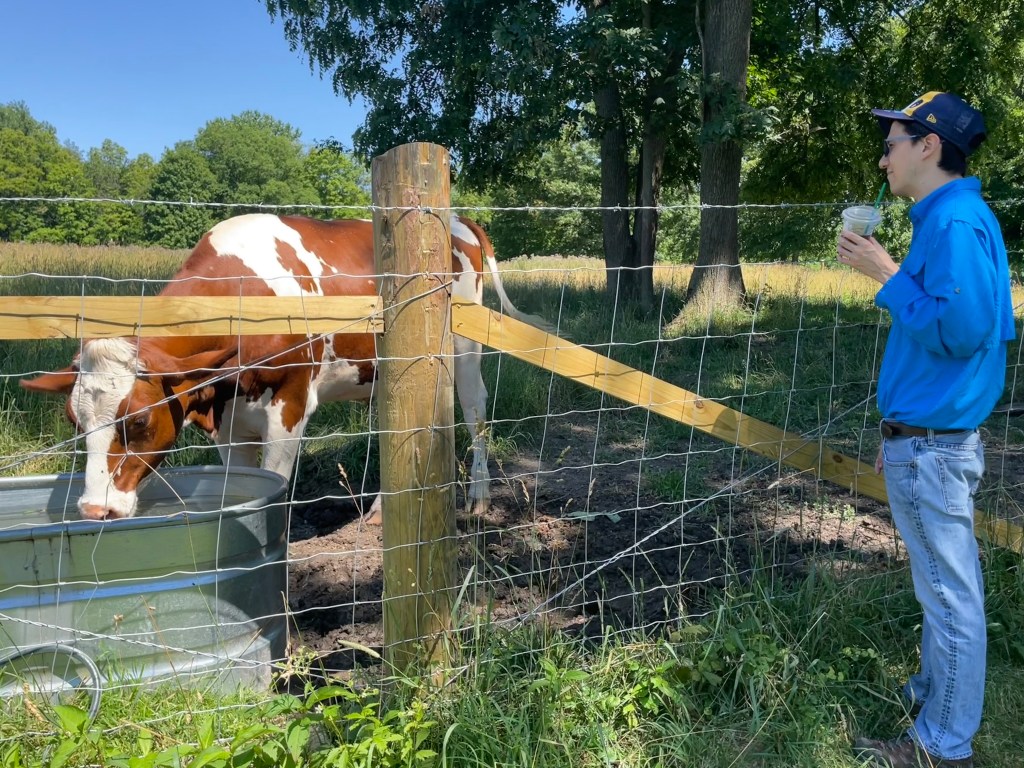
We loved visiting the animals at Chellberg Farm! The cows ignored us but the goats really liked being petted. Visiting the farm was our favorite part of the hike. The trail continues down into the forest with off-shoot trails that you could take to get more mileage in the outer loop. The trees were alive with the chorus of buzzing cicadas as we followed the loop to climb a wooden staircase and cross the Little Calumet River via boardwalk. In no time at all we had made it full circle back to the parking lot!
Observations:

Location: Bailly-Chellberg Lot (main): 709-747 N Mineral Springs Rd, Porter, IN 46304
Trail Length: 1.1 miles on the inner loop
Highlights:
- Listening to the songs of the cicadas
- Visiting farm animals
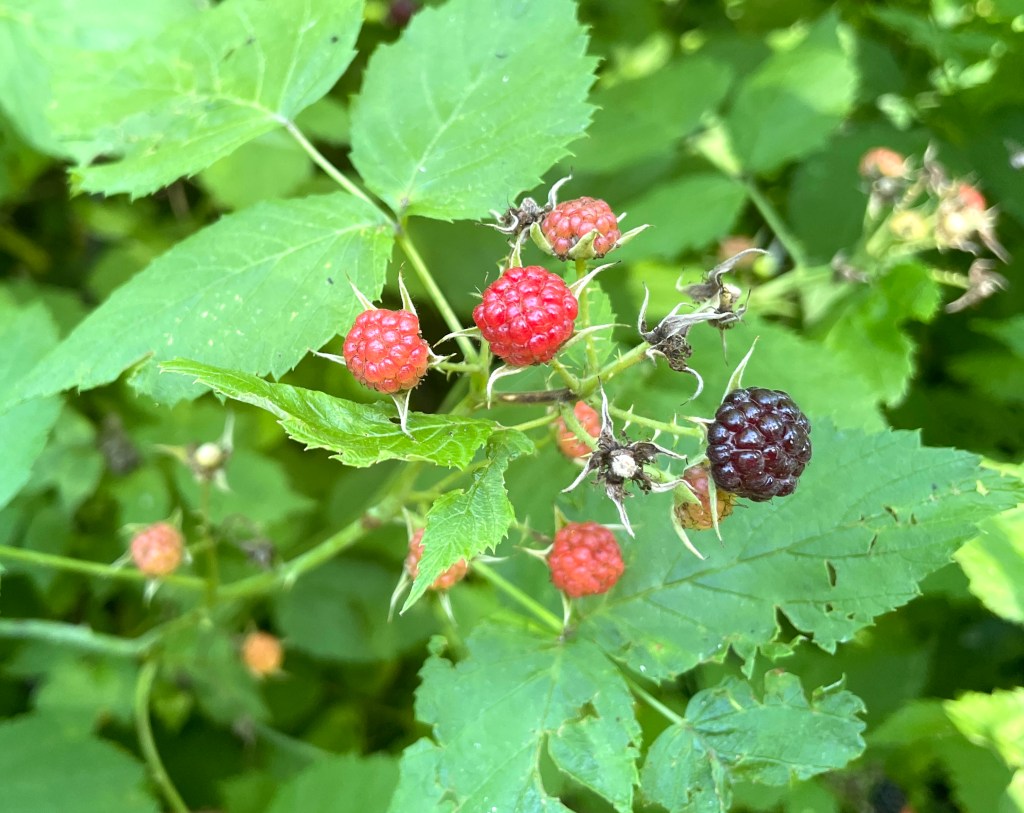
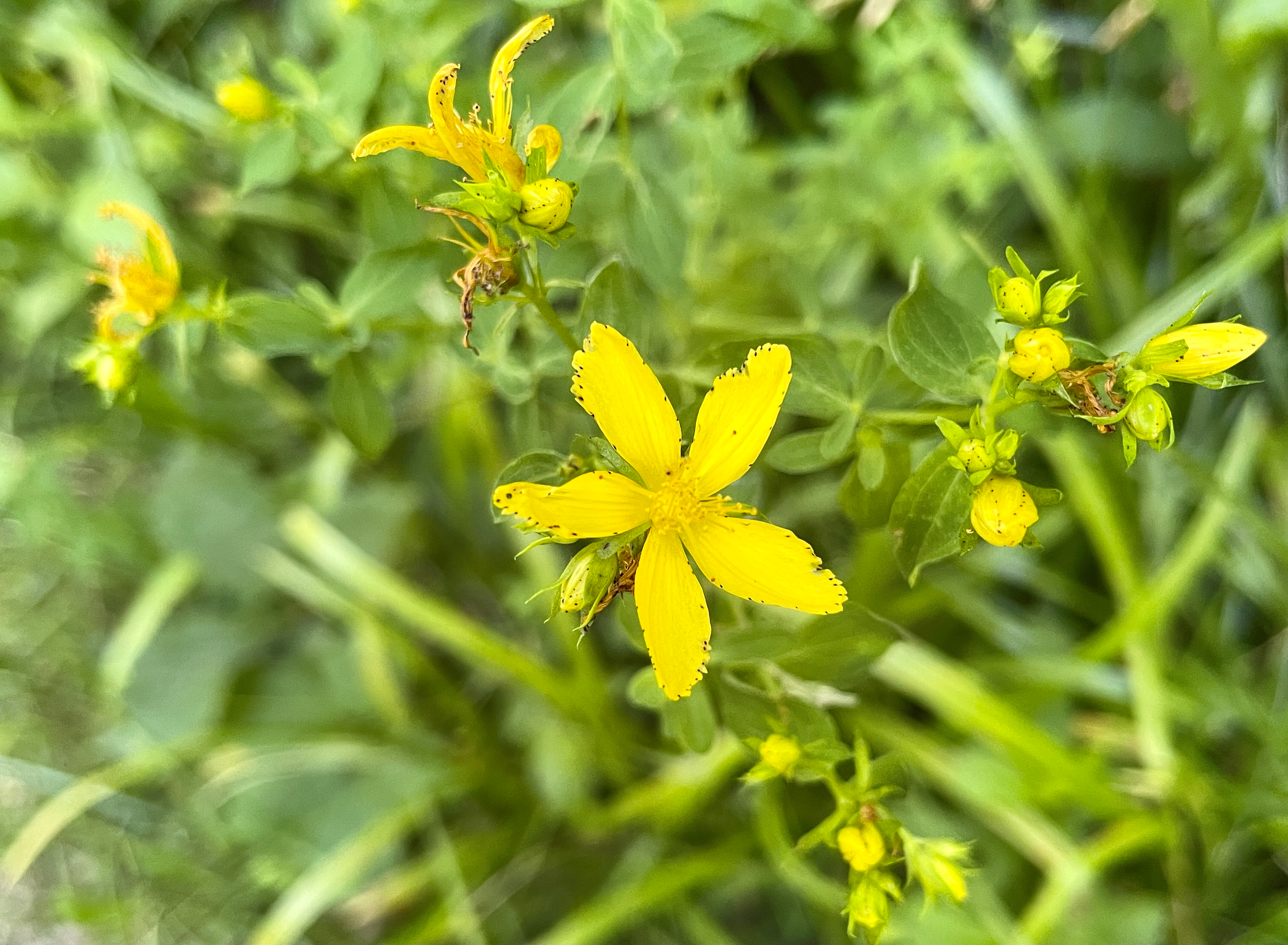
- Spotting wildflowers
- Learning about local history and seeing historic homes
- River crossings
- Very little mosquitos
- Year-round restrooms and drinking fountain
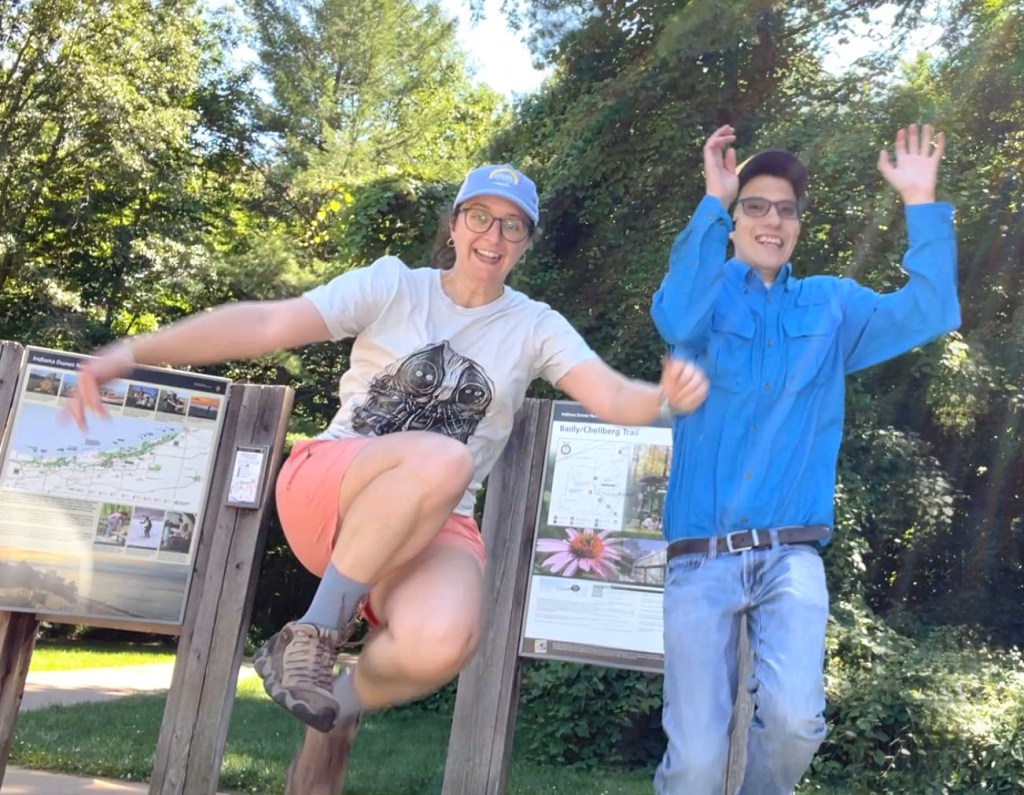
- Maps and signs posted throughout the trail
- Maple Syrup Festival in the spring
- Fall colors in autumn
Suggestions:
- You could wear shorts and a pair of good shoes on this well-maintained trail
- Moderate hiking with some stairs and hills
- Trail logs for erosion prevention would make it difficult for strollers or wheelchairs
- Best for hiking this trail instead of running
- Bring your camera!
The Bailly-Chellberg Trail has been completed on the 1966 Hiking Challenge!
 Game Changers
I like goats
LikeLiked by 1 person